
Feeling Peck-ish? Eggs Aren’t Cheep
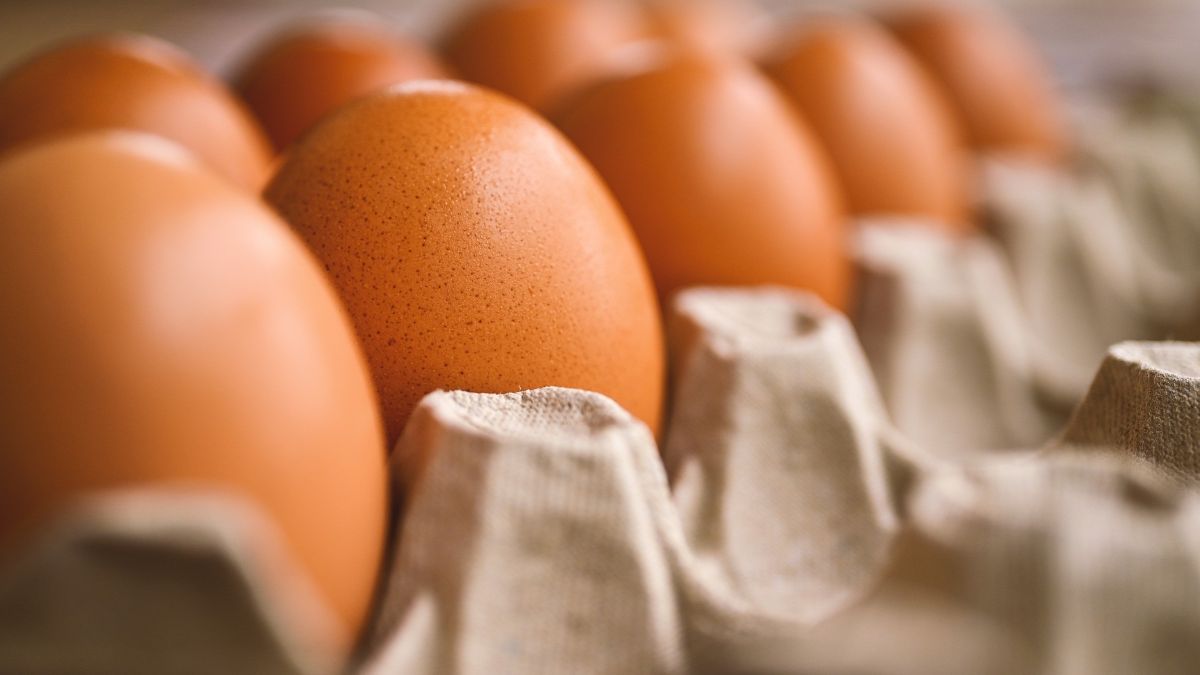
Although we’ll never get an answer about whether the chicken or the egg came first, we can safely say fewer chickens means fewer – and pricier – eggs.
Now entering its third year, the avian flu outbreak has drastically slashed the number of egg-laying chickens. More than 100 million of the birds have been killed in the last two years to mitigate the spread of the virus, including nearly 30 million since October 2024. The mass culling of chickens has yielded a significant run-up in the price of the dwindling number of eggs in the marketplace: According to data from the Federal Reserve Bank of St. Louis, the average cost of a dozen eggs skyrocketed from $2.04 in August 2023 to $4.15 at the end of 2024. By last week, wholesale prices for large, white shell eggs had reached $8.00 per dozen. The Department of Agriculture is forecasting egg prices will continue to climb for the rest of 2025.
Meanwhile, an unsettling number of problems are surfacing in other areas of the supply chain for food and cosmetics. The Food and Drug Administration reported more than 1,900 recalls of such products during the 2024 fiscal year, the highest number since 2019 and an increase of around 20% from 2023. The recalls included meat contaminated by a listeria outbreak at a Boar’s Head facility in Virginia that resulted in about 10 deaths and 60 people getting sick, according to the Centers for Disease Control and Prevention. This year, the FDA has already issued a recall for approximately 2 million baked goods stemming from concerns about Listeria contamination.
Naturally, the problems in the food supply chain are causing queasiness for big business in the sector – for example, some of the baked goods covered by the latest recall are sold at Dunkin’. Companies are taking steps to cure their heartburn in response. Grocery chains like Whole Foods are hiking up prices and limiting the number of eggs customers can purchase in some major metropolitan areas. Meanwhile, Waffle House restaurants are adding a surcharge of 50 cents to the egg dishes on its menu.
But the aggressive push by President Donald Trump’s second administration to shrink the size of the federal government raises concerns about the risks to consumers and businesses multiplying. Take the FDA, which appears to be a target for major cost-cutting. If the agency cuts corners to operate within draconian budget restraints, what does that mean for both the safety of consumers and their confidence in the products they’re purchasing? Moreover, given the amount of labor in the agricultural and food industries that comes from undocumented workers, how could mass deportations affect the ability of companies to self-regulate their own products?
If smaller government requires paying higher prices for food that is less safe, the White House could always take the position that you can’t make an omelet without breaking some eggs. Trump, however, may find both the public and businesses don’t have the stomach for that.
Latest Articles

SEC Puts Proxy Voting in Self-Driving Mode
Last year, Goldman Sachs shareholders representing roughly a third of votes cast objected to $80 million in retention bonuses for CEO David Solomon and President John Waldron, the...

SEC Takes Two-Track Approach to Private Assets
For about $100 and two hours of multiple-choice questions, the average Joe could soon qualify to buy into private offerings. That is the premise of a FINRA-developed accredited inv...

AI Guardrails Are the New Black
One of OpenAI’s research models recently wrote itself a note to stop following the rules. Another autonomously uploaded files to the internet so it could cite them later as evidenc...